
Quick answer
The best BI tools for FMCG analytics in India are FireAI (best for Tally-integrated distribution analytics with beat-wise tracking), Bizom and Distributor Management Systems (DMS) with BI overlays for large FMCG companies, and Power BI (for enterprise FMCG with dedicated analytics teams). FireAI is the most accessible option for FMCG distributors managing operations in Tally.
FMCG in India has unique analytics requirements — secondary sales tracking, beat-wise outlet coverage, scheme adherence, near-expiry inventory, and competitive price monitoring are all critical but rarely served by generic BI tools.
FMCG Analytics: What Matters Most
Primary vs Secondary Sales
FMCG companies track two distinct sales figures:
- Primary sales: Company to distributor (sell-in)
- Secondary sales: Distributor to retailer (sell-out)
The gap between these is distributor inventory loading. Analytics platforms need to model both and identify when distributors are loaded vs when actual market pull is occurring.
Beat-Wise Analytics
FMCG salespeople work defined routes (beats) visiting retailers. Beat analytics tracks:
- % of outlets visited per beat per day
- % of visited outlets that placed orders (productive calls)
- Average bill value per outlet per beat
- New outlet additions vs target
- Lapsed outlet recovery rate
SKU-Level Offtake
- Volume and value offtake by SKU and pack size
- SKU availability at retail (numeric distribution %)
- Weighted distribution (% of value at outlets stocking the SKU)
- SKU-wise scheme ROI
Scheme and Trade Promotion Analytics
- Scheme utilisation rate vs target
- Scheme ROI by scheme type (free goods, cash discount, bundle)
- Distributor scheme claim status
- Credit note reconciliation
Near-Expiry Inventory
- Products within 3/6 months of expiry by warehouse and distributor
- Near-expiry value at risk
- Return and destruction tracking
Best BI Tools for Indian FMCG
1. FireAI — Best for Tally-Based FMCG Analytics
For FMCG distributors and regional FMCG companies using Tally:
- Native Tally integration for primary sales, purchase, and inventory data
- Beat-wise segmentation using party master and custom fields
- SKU-level analytics from Tally stock items
- Near-expiry inventory monitoring
- Scheme liability tracking from credit note vouchers
- Natural language queries: "Show me top 10 SKUs by offtake in South zone last month"
Best for: Regional FMCG companies and distributors using Tally for operations
2. Salesforce + Tableau — Best for Large Enterprise FMCG
Large FMCG companies (national/multinational) often use Salesforce for DMS and Tableau for analytics overlays. Powerful but expensive and complex.
3. Zoho Analytics — Best for Zoho-Stack FMCG
Good option if the FMCG company uses Zoho CRM or Zoho Books. Pre-built FMCG analytics templates available.
4. Specialised DMS Platforms (Bizom, Distiman, etc.)
FMCG-specific Distribution Management Systems include analytics modules designed for the India market. Best for large companies that can afford specialised platforms with dedicated implementation teams.
Critical FMCG KPIs for India
| Category | KPI |
|---|---|
| Coverage | Outlet universe covered %, Productive call % |
| Volume | Case volume by SKU, Weight distribution % |
| Scheme | Scheme utilisation %, ROI by scheme |
| Inventory | Near-expiry value ₹, Days of stock at distributor |
| Financial | Primary vs secondary gap, Collection efficiency |
| Field Force | Calls per day, Bills per productive call |
How FireAI Handles FMCG Analytics from Tally
Most FMCG distributors in India track their operations in Tally:
- Each invoice to a retailer is a sales voucher
- Each purchase from the company is a purchase voucher
- Near-expiry tracking is in the batch tracking feature
- Scheme credit notes are separate vouchers
FireAI reads all these voucher types and builds FMCG-specific dashboards automatically — no data export, no manual compilation. See Tally analytics with FireAI for the complete integration details.
Ready to act on your data?
See how teams use FireAI to ask in plain language and get analytics they can trust.
Explore FireAI workflows
Go from this topic into product features and solution paths that match what you read here.
Topic hub
Industry Analytics In India
Comparison pages and implementation guidance for industry-specific BI, dashboards, and analytics use cases in India.
Explore hubFrequently asked questions
Related in this topic
Best BI Tools for Distributors in India (2026)
Compare the best BI and analytics tools for distributors in India. Track beat-wise sales, secondary sales, outlet coverage, inventory, and credit exposure across FireAI, Tally-integrated BI tools, and other platforms.
7 Best BI Tools in India (2026)
Compare the best business intelligence tools for Indian businesses in 2026. See pricing features and which BI platform fits SMBs mid-market and enterprise.
Tally Analytics: Turn Tally Data into Dashboards & Reports
Get AI-powered analytics and dashboards from Tally Prime data without SQL. FireAI connects to Tally for live GST, sales, inventory, and P&L—no spreadsheet exports.
What is a KPI Dashboard? Definition and Examples
A KPI dashboard is a visual display of key performance indicators that gives business leaders an at-a-glance view of performance against goals. Learn what KPI dashboards include, how to build one, and see examples across sales, finance, and operations.
From the blog
Secondary Sales Tracking: From Excel Chaos to Real-Time Outlet Intelligence
You have primary billing data. You have distributor stock reports. What you don't have is a clear, current picture of what's actually selling at the outlet level — and that gap is costing you more than you think.
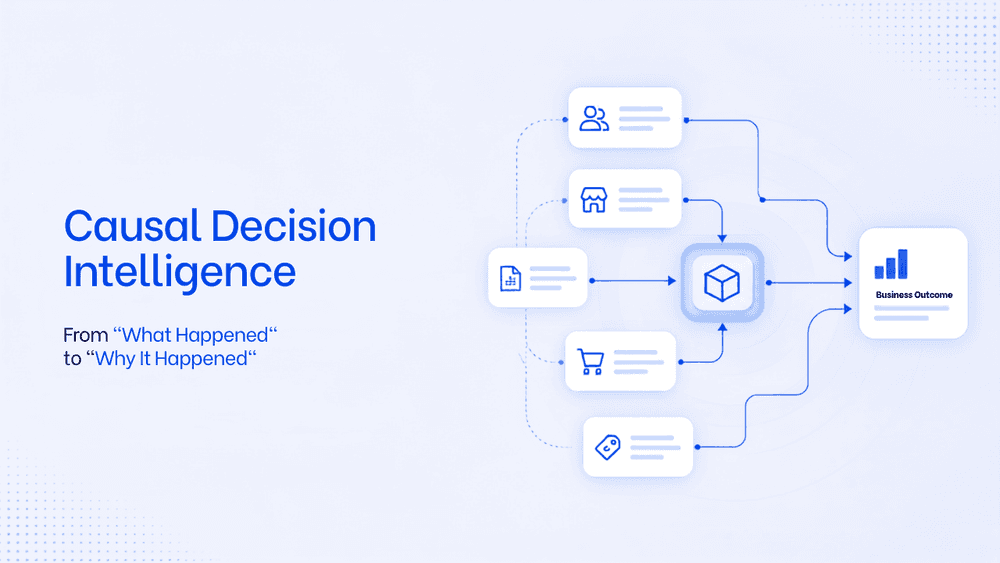
What Is Causal Decision Intelligence? A Framework To Move From "What Happened" to "Why It Happened"
Business intelligence tools are limited in their capability to find the root cause and the trigger behind it. Causal decision intelligence is the AI layer that helps business take faster, smarter decision with an auditable explanation. This will transform the way business analyse data and strategise on teh next actionable steps.
Multi-Outlet Retail Analytics: Track Store Sales
Track sales, stockouts, and staff performance across all stores. Learn how multi-outlet retail analytics can find the root cause of revenue leaks.