
Quick answer
Cloud BI offers faster deployment, easier scaling, and lower upfront costs, while on-premise BI gives organizations more control over infrastructure, customization, and data governance. The better choice depends on your compliance requirements, IT capacity, and budget model.
Cloud BI offers faster deployment, easier scaling, and lower upfront costs, while on-premise BI gives organizations more control over infrastructure, customization, and data governance. The better choice depends on your compliance requirements, IT capacity, and budget model.
Business intelligence deployment models have evolved from traditional on-premise installations to cloud-based SaaS solutions. Cloud BI leverages internet-based infrastructure for flexibility and accessibility, while on-premise BI maintains local control through dedicated hardware and software installations. Understanding these differences helps organizations select the appropriate deployment model for their analytical requirements and operational constraints.
Cloud BI vs On-Premise BI Tools
The choice between cloud BI and on-premise BI deployment models represents a strategic decision that impacts cost, scalability, security, and operational efficiency. While cloud BI leverages internet-based infrastructure for flexibility and accessibility, on-premise BI maintains local control through dedicated hardware and software installations. Each approach offers unique benefits that may better align with different organizational requirements and business objectives.
Infrastructure and Architecture
The fundamental difference lies in where and how BI infrastructure is deployed and managed.
Cloud BI Infrastructure:
Cloud BI operates on internet-based infrastructure provided by vendors, utilizing scalable cloud platforms like AWS, Azure, or Google Cloud. The infrastructure is managed by the vendor, with organizations accessing BI capabilities through web interfaces and APIs without managing physical hardware.
On-Premise BI Infrastructure:
On-premise BI requires dedicated hardware and software installations within organizational facilities or private data centers. Organizations maintain complete control over servers, storage, networking, and software configurations, with IT teams responsible for infrastructure management and maintenance.
Scalability and Performance
Scalability requirements and performance characteristics differ significantly between deployment models.
Cloud BI Scalability:
- Elastic scaling based on usage demands
- Automatic resource allocation and optimization
- Global distribution for improved performance
- Pay-as-you-grow model for resource expansion
- Performance optimization through vendor expertise
On-Premise BI Scalability:
- Planned scaling based on capacity planning
- Hardware upgrades and expansion cycles
- Performance limited by physical infrastructure
- Controlled scaling within organizational budgets
- Performance optimization through internal IT expertise
Cost Structure and Financial Considerations
Cost models create different financial implications and budgeting approaches.
Cloud BI Costs:
- Subscription-based pricing with predictable monthly fees
- Lower upfront capital expenditures
- Operational expenses instead of capital investments
- Scalable costs aligned with usage patterns
- Reduced IT infrastructure and maintenance costs
On-Premise BI Costs:
- High upfront capital expenditures for hardware and software
- Ongoing maintenance, upgrades, and support costs
- IT staffing and infrastructure management expenses
- Fixed costs regardless of usage levels
- Long-term depreciation and replacement cycles
Deployment Speed and Implementation
Implementation timelines and complexity vary between deployment approaches.
Cloud BI Deployment:
- Rapid deployment with minimal setup requirements
- Quick time-to-value with pre-configured environments
- Reduced IT involvement in infrastructure setup
- Automated updates and version management
- Faster user adoption and organizational rollout
On-Premise BI Deployment:
- Complex implementation requiring infrastructure setup
- Extended timelines for hardware procurement and configuration
- Significant IT resources for installation and configuration
- Customized deployments aligned with organizational requirements
- Controlled rollout with comprehensive testing phases
Data Security and Compliance
Security approaches and compliance capabilities differ between deployment models.
Cloud BI Security:
- Vendor-managed security with enterprise-grade protections
- Regular security updates and threat monitoring
- Compliance certifications (SOC 2, GDPR, HIPAA)
- Encrypted data transmission and storage
- Shared security responsibility model
On-Premise BI Security:
- Complete organizational control over security measures
- Customized security configurations for specific requirements
- Physical security of data center facilities
- Internal security policies and procedures
- Full responsibility for security implementation and monitoring
Maintenance and Support
Maintenance responsibilities and support models vary significantly.
Cloud BI Maintenance:
- Vendor-managed maintenance and updates
- Automatic software updates and patches
- 24/7 vendor support and monitoring
- Reduced internal IT maintenance workload
- Continuous improvement through vendor resources
On-Premise BI Maintenance:
- Internal IT responsibility for maintenance and updates
- Scheduled maintenance windows and downtime planning
- Internal support teams for troubleshooting and resolution
- Customized maintenance schedules based on organizational needs
- Control over update timing and feature adoption
Accessibility and User Experience
Access patterns and user experience differ between deployment models.
Cloud BI Accessibility:
- Global accessibility from any internet-connected device
- Mobile and remote work optimization
- Consistent user experience across locations
- Real-time collaboration capabilities
- Device-agnostic access through web interfaces
On-Premise BI Accessibility:
- Controlled access within organizational networks
- VPN or secure connection requirements for remote access
- Network-dependent performance and availability
- Internal network optimization for performance
- Limited external accessibility and collaboration
Customization and Integration
Customization capabilities and integration options vary between approaches.
Cloud BI Customization:
- API-based customization and integration
- Pre-built connectors for popular applications
- Configuration options within vendor frameworks
- Third-party integration through APIs and webhooks
- Vendor-managed extensibility and development
On-Premise BI Customization:
- Extensive customization of interfaces and functionality
- Deep integration with internal systems and databases
- Custom development and modification capabilities
- Proprietary integration solutions
- Internal development team customization options
Disaster Recovery and Business Continuity
Business continuity approaches differ between deployment models.
Cloud BI Disaster Recovery:
- Vendor-managed backup and disaster recovery
- Geographic redundancy and failover capabilities
- Automated data replication and recovery
- Service level agreements for availability
- Reduced internal disaster recovery responsibilities
On-Premise BI Disaster Recovery:
- Internal disaster recovery planning and implementation
- Customized backup and recovery procedures
- Control over data retention and recovery processes
- Physical infrastructure redundancy planning
- Internal responsibility for business continuity
Regulatory Compliance and Data Sovereignty
Compliance requirements and data governance approaches vary significantly.
Cloud BI Compliance:
- Vendor compliance certifications and attestations
- Data processing agreements for regulatory requirements
- Vendor-managed compliance monitoring and reporting
- International compliance standards and certifications
- Shared responsibility for compliance implementation
On-Premise BI Compliance:
- Complete organizational control over compliance measures
- Customized compliance implementations for specific regulations
- Internal audit and compliance reporting capabilities
- Data sovereignty and residency control
- Full responsibility for regulatory compliance
Performance Monitoring and Analytics
Performance monitoring approaches differ between deployment models.
Cloud BI Monitoring:
- Vendor-provided performance monitoring and analytics
- Automated performance optimization and alerting
- Usage analytics and performance reporting
- Proactive performance management by vendors
- Integrated monitoring with vendor support
On-Premise BI Monitoring:
- Internal performance monitoring and optimization
- Custom monitoring dashboards and alerting systems
- Performance tuning based on organizational requirements
- Internal expertise for performance analysis
- Customized monitoring aligned with business needs
Future-Proofing and Technology Evolution
Technology evolution and future-proofing capabilities vary between approaches.
Cloud BI Future-Proofing:
- Automatic updates with latest features and technologies
- Vendor investment in emerging technologies
- Scalable architecture for future growth
- Continuous innovation through vendor roadmaps
- Reduced technology obsolescence risks
On-Premise BI Future-Proofing:
- Controlled technology adoption and upgrade cycles
- Internal planning for technology evolution
- Customized technology roadmaps aligned with business needs
- Control over technology investment timing
- Internal innovation and technology development capabilities
Use Case Suitability
Different organizational scenarios favor different deployment models.
Best for Cloud BI:
- Distributed organizations with remote workforces
- Companies requiring rapid deployment and scalability
- Organizations with variable usage patterns
- Businesses prioritizing cost predictability and low maintenance
- Companies needing global accessibility and collaboration
Best for On-Premise BI:
- Organizations with specific security and compliance requirements
- Companies requiring extensive customization and integration
- Enterprises with stable, predictable usage patterns
- Businesses with existing on-premise infrastructure investments
- Organizations needing complete control over data and systems
Deployment Model Comparison Table
| Aspect | Cloud BI | On-Premise BI |
|---|---|---|
| Infrastructure | Vendor-managed cloud infrastructure | Organization-owned hardware and software |
| Scalability | Elastic auto-scaling | Planned capacity expansion |
| Cost Structure | Subscription-based OPEX | Capital investment CAPEX |
| Deployment Speed | Rapid setup and deployment | Complex implementation process |
| Security Control | Shared responsibility model | Full organizational control |
| Maintenance | Vendor-managed updates | Internal IT maintenance |
| Accessibility | Global internet-based access | Network-restricted access |
| Customization | API-based configuration | Extensive custom development |
| Disaster Recovery | Vendor-managed redundancy | Internal business continuity |
| Compliance | Vendor certifications | Custom compliance implementation |
Migration Strategies and Considerations
Organizations may need to migrate between deployment models over time.
Cloud Migration Strategies:
- Phased migration approach with pilot implementations
- Data migration planning and validation
- User training and change management programs
- Integration testing with existing systems
- Performance monitoring and optimization post-migration
On-Premise Migration Strategies:
- Infrastructure planning and procurement processes
- Data center setup and configuration
- Software installation and customization
- User migration and training programs
- Performance testing and optimization
Hybrid Approaches and Multi-Cloud Strategies
Organizations can combine deployment models for optimal results.
Hybrid BI Deployments:
- Cloud BI for user-facing and collaborative analytics
- On-premise BI for sensitive data and compliance requirements
- Integrated architectures combining both approaches
- Data synchronization between cloud and on-premise systems
- Unified user experience across deployment models
Multi-Cloud Considerations:
- Cloud BI across multiple cloud providers
- Data portability and vendor lock-in mitigation
- Integration across different cloud environments
- Unified management and governance frameworks
- Performance optimization across cloud platforms
Decision Framework for Organizations
Organizations should evaluate deployment models based on comprehensive criteria.
Business and Operational Factors:
- Organizational size and geographic distribution
- IT resources and technical expertise availability
- Budget constraints and financial planning preferences
- Regulatory and compliance requirements
- Business agility and speed requirements
Technical and Infrastructure Requirements:
- Existing IT infrastructure and technology investments
- Data security and privacy requirements
- Integration needs with existing systems
- Performance and scalability requirements
- Future technology evolution plans
Risk and Compliance Considerations:
- Data sovereignty and residency requirements
- Industry-specific regulatory compliance needs
- Disaster recovery and business continuity requirements
- Security threat landscape and risk tolerance
- Audit and compliance reporting needs
The choice between cloud BI and on-premise BI deployment models depends on an organization's specific requirements, resources, and strategic objectives. Cloud BI offers flexibility, scalability, and reduced maintenance for modern distributed organizations, while on-premise BI provides control, customization, and security for enterprises with specific compliance and infrastructure requirements.
FireAI operates as a cloud-native BI platform, providing conversational analytics that leverages cloud infrastructure for optimal performance and accessibility. The cloud deployment model enables FireAI to deliver real-time insights, global scalability, and continuous innovation while maintaining enterprise-grade security and compliance standards.
When evaluating BI tools, consider deployment model alongside other factors. For Indian businesses, see our comparison of best BI tools in India that covers both cloud and on-premise options. Cloud BI platforms often support natural language queries and self-service BI capabilities that reduce IT dependencies, while on-premise solutions may offer deeper customization for specific compliance requirements.
Ready to act on your data?
See how teams use FireAI to ask in plain language and get analytics they can trust.
Explore FireAI workflows
Go from this topic into product features and solution paths that match what you read here.
Topic hub
BI Fundamentals
Foundational guides on business intelligence, analytics architecture, self-service BI, and core data concepts.
Explore hubFrequently asked questions
Related in this topic
7 Best BI Tools in India (2026)
Compare the best business intelligence tools for Indian businesses in 2026. See pricing features and which BI platform fits SMBs mid-market and enterprise.
NLQ to SQL: How AI Turns Plain Questions into Database Queries
Ask "who are my top customers?" and get SQL results instantly. Learn how NLQ-to-SQL works under the hood, accuracy benchmarks, and which tools do it best in 2026.
How to Build an Executive Dashboard
Step-by-step guide to executive dashboards for CEOs and CFOs: which metrics to include, layout patterns, and how leadership teams track revenue, cash, and growth.
Self-Service BI vs Traditional BI: Key Differences
Compare self-service BI vs traditional BI on speed, governance, and who builds reports. Learn which model fits your team's skills, size, and data culture.
From the blog

Key Trends Shaping the Future of AI-Powered Business Intelligence
Discover how AI-enabled analytics like Fire AI are transforming business intelligence with real-time dashboards, anomaly detection, and decision intelligence.

How a Modern Analytics Platform Transforms Business Intelligence
Why faster decision-making, real-time analytics, and AI-driven intelligence separate market leaders from laggards—and how Fire AI closes the gap between data and action.
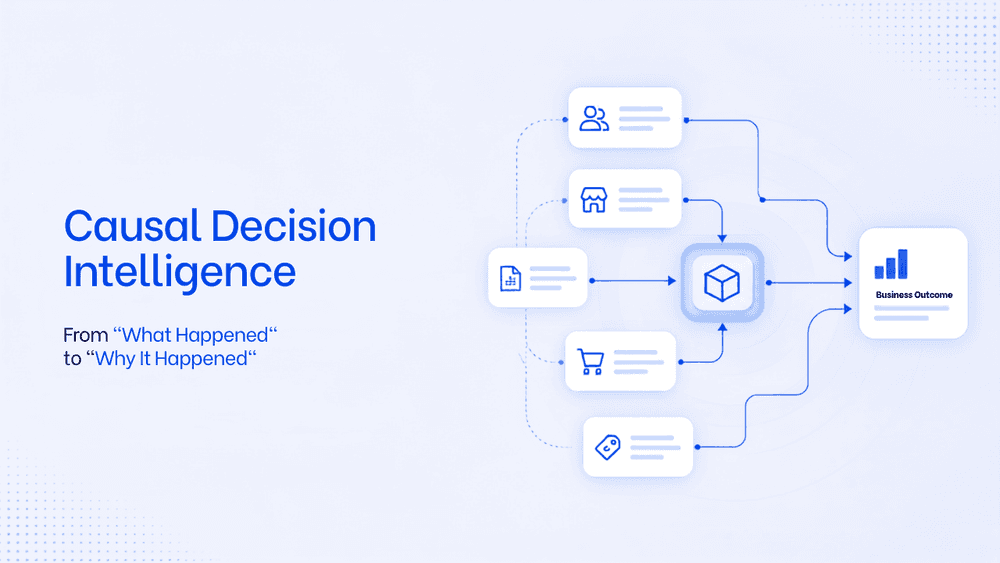
What Is Causal Decision Intelligence? A Framework To Move From "What Happened" to "Why It Happened"
Business intelligence tools are limited in their capability to find the root cause and the trigger behind it. Causal decision intelligence is the AI layer that helps business take faster, smarter decision with an auditable explanation. This will transform the way business analyse data and strategise on teh next actionable steps.