
Quick answer
Self-service BI empowers business users to analyze data independently with speed and flexibility, while traditional BI provides controlled, IT-managed analytics with robust governance. Self-service prioritizes user autonomy and rapid insights, traditional BI emphasizes data quality and enterprise standardization.
Self-service BI empowers business users to analyze data independently with speed and flexibility, while traditional BI provides controlled, IT-managed analytics with robust governance. Self-service prioritizes user autonomy and rapid insights, traditional BI emphasizes data quality and enterprise standardization.
Business intelligence approaches have evolved from centralized IT-controlled systems to user-empowered self-service BI models, creating fundamental choices in how organizations approach business intelligence. Self-service BI and traditional BI represent different philosophies for delivering analytical capabilities, each with distinct advantages and trade-offs. Understanding these differences helps organizations select the appropriate approach for their analytical needs, user capabilities, and business objectives.
Self-Service BI vs Traditional BI
The evolution of business intelligence has introduced self-service BI as an alternative to traditional IT-managed approaches, fundamentally changing how organizations access and utilize analytical capabilities. While traditional BI emphasizes centralized control and standardized processes, self-service BI focuses on user empowerment and analytical democratization. Each approach offers unique benefits that may better serve different organizational requirements.
Approach Philosophy and User Empowerment
The core difference lies in how analytical capabilities are delivered and controlled within organizations.
Self-Service BI Philosophy:
Self-service BI empowers business users to access, analyze, and visualize data independently, reducing reliance on IT departments and technical specialists. This approach democratizes data access, enabling faster decision-making and broader analytical adoption across organizations.
Traditional BI Philosophy:
Traditional BI maintains centralized control over data access, analysis, and reporting through IT-managed systems and processes. This approach emphasizes data quality, security, and consistency through standardized tools and controlled access, ensuring enterprise-wide governance and compliance.
User Experience and Analytical Access
The user experience fundamentally differs between self-service and traditional approaches.
Self-Service User Experience:
- Intuitive drag-and-drop interfaces for data exploration
- Conversational analytics with natural language queries
- User-friendly dashboards and visualization tools
- On-demand access to data without IT intervention
- Flexible analytical workflows adapted to user needs
Traditional BI User Experience:
- Structured reporting interfaces with predefined templates
- IT-mediated data access and analysis requests
- Standardized dashboards and reports
- Controlled analytical capabilities within governance frameworks
- Consistent user experiences across enterprise applications
Speed of Analytics and Time-to-Insight
Response time and analytical agility vary significantly between approaches.
Self-Service Speed:
- Immediate access to data for ad-hoc analysis
- Real-time insights without IT bottlenecks
- Rapid prototyping and hypothesis testing
- Quick iteration on analytical approaches
- Reduced waiting time for business decisions
Traditional BI Speed:
- Predictable delivery through structured processes
- Quality-assured insights with validation steps
- Comprehensive analysis through established methodologies
- Consistent delivery timelines for standardized reports
- Thorough validation before insight distribution
Data Governance and Quality Control
Governance approaches create different balances between flexibility and control.
Self-Service Governance:
- User-driven governance with organizational guidelines
- Data quality monitoring through automated validation
- Collaborative governance models with business oversight
- Flexible data access within defined boundaries
- Continuous monitoring and user education
Traditional BI Governance:
- Centralized governance through IT and data teams
- Strict data quality controls and validation processes
- Comprehensive security and compliance frameworks
- Standardized data definitions and business rules
- Formal change management and approval processes
Technical Expertise Requirements
The technical skills needed differ significantly between approaches.
Self-Service Technical Requirements:
- Business domain knowledge and analytical thinking
- Basic understanding of data concepts
- Familiarity with intuitive analytical tools
- Progressive learning through user-friendly interfaces
- Minimal technical training requirements
Traditional BI Technical Requirements:
- Advanced technical skills for complex analysis
- Understanding of database design and SQL
- Proficiency with specialized BI tools and platforms
- Knowledge of data modeling and ETL processes
- Extensive training and certification requirements
Scalability and Enterprise Readiness
Enterprise deployment and scaling considerations vary between approaches.
Self-Service Scalability:
- Cloud-native architectures for elastic scaling
- User-driven adoption across organizational levels
- Flexible integration with existing systems
- Rapid deployment and user onboarding
- Support for distributed and remote workforces
Traditional BI Scalability:
- Enterprise-grade architectures for large-scale deployments
- Structured implementation with comprehensive testing
- Integration with enterprise systems and data warehouses
- Support for complex organizational hierarchies
- Robust infrastructure for mission-critical analytics
Cost Structure and Resource Allocation
Cost models and resource requirements differ between approaches.
Self-Service Costs:
- User-based licensing with predictable per-user costs
- Reduced IT support and development expenses
- Training costs distributed across user base
- Cloud infrastructure costs for scalability
- Minimal custom development requirements
Traditional BI Costs:
- High initial implementation and infrastructure costs
- Significant IT development and maintenance expenses
- Extensive training and certification costs
- Complex licensing models with enterprise agreements
- Ongoing customization and enhancement costs
Innovation and Analytical Capabilities
Innovation approaches and analytical depth vary between methods.
Self-Service Innovation:
- User-driven innovation and analytical experimentation
- Rapid adoption of new analytical techniques
- Collaborative problem-solving and knowledge sharing
- Flexible integration with emerging technologies
- Continuous evolution through user feedback
Traditional BI Innovation:
- Structured innovation through IT-led initiatives
- Comprehensive evaluation of new analytical capabilities
- Controlled implementation of advanced technologies
- Enterprise-wide standardization of analytical methods
- Systematic evaluation and adoption processes
Risk Management and Compliance
Risk management approaches create different balances between agility and control.
Self-Service Risk Management:
- Automated compliance monitoring and alerting
- User training for responsible data usage
- Flexible risk assessment based on usage patterns
- Continuous monitoring and adaptive controls
- Business-driven compliance frameworks
Traditional BI Risk Management:
- Comprehensive risk assessment and mitigation strategies
- Formal compliance frameworks and audit trails
- Centralized security controls and access management
- Structured risk management methodologies
- Enterprise-wide compliance and regulatory adherence
Organizational Culture and Adoption
The impact on organizational culture differs significantly between approaches.
Self-Service Cultural Impact:
- Data-driven culture development through user empowerment
- Increased analytical literacy across organizations
- Collaborative decision-making and knowledge sharing
- Innovation culture through user experimentation
- Democratic access to analytical capabilities
Traditional BI Cultural Impact:
- Structured analytical processes and methodologies
- Centralized expertise and specialized analytical roles
- Consistent analytical practices across organization
- Quality-focused culture with rigorous validation
- Professional analytical standards and practices
Integration and Ecosystem Compatibility
Integration capabilities and ecosystem compatibility vary between approaches.
Self-Service Integration:
- API-based integration with business applications
- Flexible connectivity with diverse data sources
- User-configurable integrations and workflows
- Support for modern cloud and mobile platforms
- Adaptable integration with emerging technologies
Traditional BI Integration:
- Enterprise integration with legacy systems
- Comprehensive ETL and data integration capabilities
- Standardized integration with enterprise applications
- Support for complex data architectures
- Robust integration with enterprise security frameworks
Performance and Resource Utilization
Performance characteristics and resource utilization differ between approaches.
Self-Service Performance:
- Optimized for user experience and responsiveness
- Dynamic resource allocation based on usage patterns
- Real-time analytical capabilities with caching
- Performance monitoring and user feedback integration
- Scalable performance through cloud architectures
Traditional BI Performance:
- Optimized for complex analytical workloads
- Predictable performance through resource planning
- High-performance data processing and analysis
- Comprehensive performance monitoring and tuning
- Enterprise-grade reliability and availability
Use Case Suitability
Different business scenarios favor different BI approaches.
Best for Self-Service BI:
- Business user-driven analytical requirements
- Rapid decision-making in dynamic environments
- Organizations with distributed analytical needs
- Companies prioritizing user adoption and empowerment
- Environments requiring flexible and adaptive analytics
Best for Traditional BI:
- Complex analytical requirements with high data volumes
- Organizations requiring strict governance and compliance
- Enterprises with established IT infrastructure and processes
- Companies needing standardized analytical methodologies
- Environments with specialized analytical expertise
Approach Comparison Table
| Aspect | Self-Service BI | Traditional BI |
|---|---|---|
| User Empowerment | High - business users drive analytics | Low - IT controls analytical access |
| Speed to Insight | Fast - immediate user access | Slower - structured IT processes |
| Governance | Flexible - user-guided frameworks | Strict - IT-controlled governance |
| Technical Skills | Low - intuitive interfaces | High - specialized technical skills |
| Scalability | Flexible cloud scaling | Enterprise infrastructure scaling |
| Cost Structure | User-based licensing | High infrastructure costs |
| Innovation | User-driven experimentation | Structured IT-led innovation |
| Risk Management | Adaptive compliance monitoring | Comprehensive risk frameworks |
| Integration | API-based flexible integration | Enterprise system integration |
| Best For | Business agility and user adoption | Enterprise control and standardization |
Hybrid Approaches and Best Practices
Organizations can benefit from combining both approaches strategically.
Complementary Implementation:
- Self-service for business user exploration and rapid insights
- Traditional BI for complex enterprise reporting and governance
- Integration between approaches for unified analytical capabilities
- Self-service as a gateway to traditional BI capabilities
- Combined governance frameworks for optimal control and flexibility
Implementation Strategies:
- Start with self-service to build analytical culture and adoption
- Use traditional BI for mission-critical and regulated analytics
- Implement hybrid models with clear role definitions
- Establish governance frameworks that balance flexibility and control
- Provide training and support for both user communities
Future Evolution of BI Approaches
BI approaches continue to evolve with technological and organizational changes.
Self-Service Advancements:
- Enhanced AI and machine learning integration
- Improved natural language and conversational capabilities
- Advanced automation and intelligent insights
- Enhanced governance through AI-powered controls
- Integration with emerging technologies and platforms
Traditional BI Evolution:
- Enhanced self-service capabilities within traditional frameworks
- Integration with modern cloud and AI technologies
- Improved user experience and accessibility features
- Enhanced automation and intelligent processing
- Modernization of traditional BI architectures
Decision Framework for Organizations
Organizations should evaluate BI approaches based on comprehensive criteria.
Business and User Factors:
- Analytical maturity and user technical capabilities
- Speed requirements for decision-making processes
- Organizational culture and change management readiness
- Budget constraints and resource availability
- Regulatory and compliance requirements
Technical and Analytical Requirements:
- Data complexity and analytical sophistication needs
- Integration requirements with existing systems
- Scalability and performance requirements
- Security and governance needs
- Future growth and technology evolution plans
ROI and Business Value:
- Expected improvements in decision-making speed
- Cost savings from reduced IT bottlenecks
- Business value from increased analytical adoption
- Competitive advantages from data-driven insights
- Long-term analytical capability development
The choice between self-service BI and traditional BI depends on an organization's analytical requirements, user capabilities, governance needs, and business objectives. Self-service BI excels at democratizing data access and accelerating analytical adoption across organizations, while traditional BI provides the control and governance required for complex enterprise environments.
FireAI embodies the advantages of self-service BI by providing conversational analytics that empowers all users to ask business questions naturally and receive instant insights. Instead of waiting for IT teams or learning complex tools, business users can explore their data conversationally, making analytics accessible while maintaining enterprise-grade capabilities and governance.
Organizations should consider their specific requirements when selecting between self-service and traditional BI approaches, often implementing hybrid models that combine the strengths of both methodologies. The optimal approach balances user empowerment with enterprise control, ensuring analytical capabilities support both innovation and governance objectives.
Ready to act on your data?
See how teams use FireAI to ask in plain language and get analytics they can trust.
Explore FireAI workflows
Go from this topic into product features and solution paths that match what you read here.
Topic hub
BI Fundamentals
Foundational guides on business intelligence, analytics architecture, self-service BI, and core data concepts.
Explore hubFrequently asked questions
Related in this topic
Cloud BI vs On-Premise BI: Key Differences
Compare cloud BI vs on-premise BI on pricing, security, control, and total cost. See pros and cons for Indian businesses choosing a deployment model.
Excel vs BI Tools: Comparison Guide for Business Analysis
Compare Excel vs BI tools for business analysis across data handling, visualization, collaboration, and scalability. Learn when to use Excel vs BI tools and which features matter most for your analytical needs.
Why Adopt Self-Service BI? Benefits and ROI
Businesses should adopt self-service BI to democratize data access, reduce IT dependency, and accelerate decision-making. Learn why self-service BI matters, which benefits drive ROI, and how it empowers business users with direct analytical capabilities.
What is Self-Service BI? Benefits and Tools
Self-service BI empowers business users to analyze data independently without IT assistance. Learn how self-service BI works, which tools enable it, and how to implement it to democratize data access and accelerate decision-making.
From the blog

How a Modern Analytics Platform Transforms Business Intelligence
Why faster decision-making, real-time analytics, and AI-driven intelligence separate market leaders from laggards—and how Fire AI closes the gap between data and action.

Key Trends Shaping the Future of AI-Powered Business Intelligence
Discover how AI-enabled analytics like Fire AI are transforming business intelligence with real-time dashboards, anomaly detection, and decision intelligence.
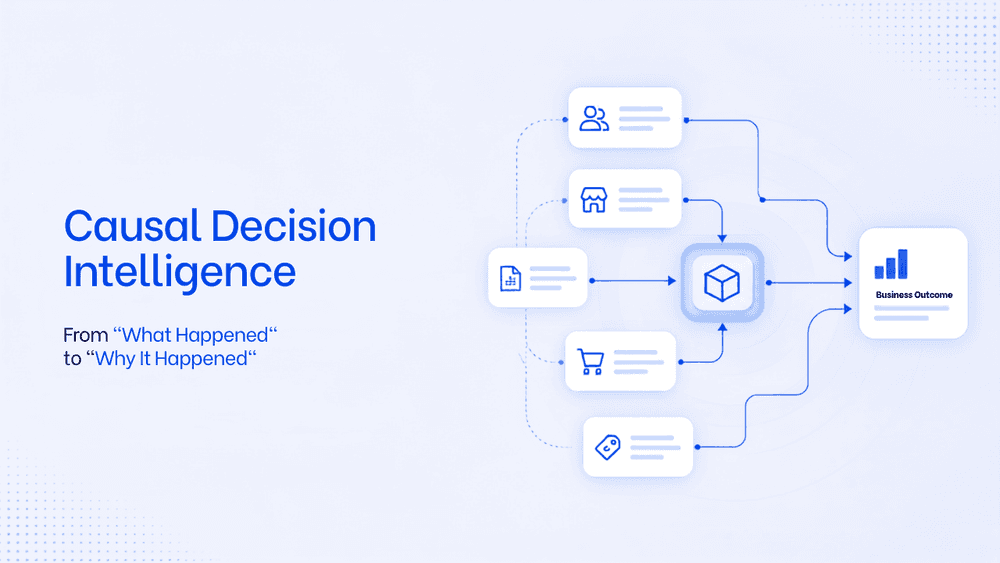
What Is Causal Decision Intelligence? A Framework To Move From "What Happened" to "Why It Happened"
Business intelligence tools are limited in their capability to find the root cause and the trigger behind it. Causal decision intelligence is the AI layer that helps business take faster, smarter decision with an auditable explanation. This will transform the way business analyse data and strategise on teh next actionable steps.