
Quick answer
Cloud-based analytics delivers BI and data analysis through internet-hosted services—no on-premises servers needed. It provides scalable computing, global accessibility, automatic updates, and pay-per-use pricing. Indian businesses use cloud analytics platforms like FireAI to access AI-powered dashboards, NLQ, and Tally integration from any device without IT infrastructure investment.
Cloud-based analytics delivers business intelligence and data analysis capabilities through internet-connected services hosted on remote servers. Unlike traditional on-premises systems, cloud analytics provides scalable computing resources, global accessibility, automatic updates, and cost-efficient pricing models based on actual usage.
Cloud-based analytics has transformed how organizations approach business intelligence and data analysis, offering unprecedented flexibility, scalability, and accessibility. By moving analytical capabilities to the cloud, companies can leverage advanced technologies without the constraints of traditional on-premises infrastructure, enabling faster insights and more agile decision-making. For a detailed comparison, see cloud BI vs on-premise BI.
What is Cloud-Based Analytics?
Cloud-based analytics refers to business intelligence and data analysis solutions delivered through internet-connected services hosted on remote cloud infrastructure. Instead of deploying and maintaining analytical software on local servers or individual computers, organizations access powerful analytical tools through web browsers or APIs, with data processing and storage handled by cloud service providers.
This approach encompasses various analytical capabilities including data warehousing, business intelligence dashboards, machine learning, real-time analytics, and advanced visualization tools. Cloud analytics platforms provide the infrastructure, tools, and services needed to collect, process, analyze, and visualize data from diverse sources.
Core Characteristics
Internet-Based Access: Analytical tools and data accessible from any internet-connected device.
Scalable Resources: Computing power and storage that can expand or contract based on demand.
Multi-Tenant Architecture: Shared infrastructure serving multiple organizations securely.
Automatic Updates: Continuous delivery of new features and security patches.
Pay-Per-Use Pricing: Cost models based on actual consumption rather than upfront investment.
How Cloud-Based Analytics Works
Cloud Infrastructure Foundation
The technological foundation enabling cloud analytics:
- Virtualization: Abstracting physical hardware into flexible, programmable resources
- Distributed Computing: Processing large datasets across multiple servers simultaneously
- Auto-Scaling: Automatically adjusting resources based on workload demands
- Load Balancing: Distributing analytical workloads across available infrastructure
- High Availability: Ensuring continuous access through redundant systems
Service Delivery Models
Different ways cloud analytics is provided:
- Software as a Service (SaaS): Complete analytical applications delivered over the internet
- Platform as a Service (PaaS): Development platforms for building custom analytical solutions
- Infrastructure as a Service (IaaS): Raw computing resources for deploying analytical infrastructure
- Function as a Service (FaaS): Serverless execution of analytical functions on demand
Data Management in the Cloud
How data is handled in cloud environments:
- Cloud Data Warehouses: Scalable repositories for structured analytical data
- Data Lakes: Storage for large volumes of raw, unstructured, and semi-structured data
- ETL/ELT Pipelines: Automated processes for data ingestion, transformation, and loading
- Data Cataloging: Centralized metadata management for data discovery and governance
- Real-Time Streaming: Processing continuous data flows for immediate insights
Security and Compliance
Protecting data and ensuring regulatory compliance:
- Encryption: Data encrypted both in transit and at rest
- Access Controls: Role-based permissions and multi-factor authentication
- Audit Logging: Comprehensive tracking of all data access and analytical activities
- Compliance Certifications: Meeting industry standards (SOC 2, HIPAA, GDPR)
- Data Residency: Controlling where data is physically stored geographically
Types of Cloud Analytics Platforms
Business Intelligence Platforms
Comprehensive analytical tools for business users:
- Tableau Cloud: Web-based version of Tableau with cloud-native features
- Power BI Service: Microsoft's cloud-based business intelligence platform
- Qlik Cloud: Cloud-native version of Qlik Sense with advanced analytics
- Looker: Modern cloud BI platform with integrated data modeling
- ThoughtSpot: AI-powered search and analysis platform
Data Warehousing Solutions
Scalable data storage and processing:
- Amazon Redshift: Petabyte-scale cloud data warehouse
- Google BigQuery: Serverless, highly scalable analytics database
- Snowflake: Cloud-native data warehousing with multi-cloud support
- Azure Synapse Analytics: Integrated analytics service combining data warehousing and big data
- Databricks SQL: Lakehouse platform for unified data analytics
Advanced Analytics Platforms
Machine learning and AI-powered analytics:
- AWS SageMaker: Comprehensive machine learning platform
- Google Cloud AI Platform: Integrated AI and machine learning services
- Azure Machine Learning: Enterprise-grade ML platform
- Databricks ML: Collaborative machine learning on the lakehouse
- DataRobot: Automated machine learning platform
Specialized Analytics Services
Domain-specific analytical capabilities:
- Salesforce Analytics: CRM-integrated business intelligence
- Adobe Analytics: Digital marketing and customer experience analytics
- HubSpot Analytics: Marketing and sales performance analytics
- Shopify Analytics: E-commerce business intelligence
- Mixpanel: Product analytics for digital products
Key Benefits of Cloud-Based Analytics
Scalability and Flexibility
Adapting to changing analytical needs:
- Elastic Resources: Scale computing power up or down based on demand
- Storage Flexibility: Handle growing data volumes without capacity planning
- Performance Optimization: Automatic resource allocation for optimal speed
- Global Distribution: Deploy analytics closer to users worldwide
- Cost Efficiency: Pay only for resources actually used
Accessibility and Collaboration
Enabling broader access to analytical insights:
- Universal Access: Analytical tools accessible from any device with internet connection
- Remote Work Support: Enabling distributed teams to collaborate on data analysis
- Mobile Analytics: Access to insights on smartphones and tablets
- Real-Time Collaboration: Multiple users working on the same analytical projects
- Self-Service Analytics: Empowering business users without IT assistance
Cost Efficiency
Reducing total cost of ownership:
- No Upfront Investment: Eliminate large capital expenditures for hardware and software
- Pay-Per-Use Model: Costs scale with actual usage rather than peak requirements
- Reduced Maintenance: Cloud providers handle infrastructure maintenance and updates
- Faster Deployment: Quick setup without lengthy hardware procurement processes
- Predictable Costs: Subscription-based pricing with transparent cost structures
Innovation and Agility
Accelerating analytical capabilities:
- Automatic Updates: Continuous delivery of new features and capabilities
- Rapid Prototyping: Quick experimentation with new analytical approaches
- Integration Ecosystem: Easy connection to other cloud services and APIs
- Advanced Technologies: Access to cutting-edge AI and machine learning capabilities
- Global Data Access: Analyzing data from multiple geographic locations seamlessly
Security and Reliability
Enterprise-grade protection and availability:
- Advanced Security: State-of-the-art security measures from cloud providers
- Disaster Recovery: Built-in redundancy and failover capabilities
- Compliance Support: Pre-built controls for regulatory requirements
- 24/7 Monitoring: Continuous infrastructure monitoring and maintenance
- Data Backup: Automated backup and recovery capabilities
Implementation Considerations
Data Migration and Integration
Moving analytical capabilities to the cloud:
- Data Transfer: Strategies for moving large volumes of data to the cloud
- ETL Modernization: Updating data pipelines for cloud-native processing
- System Integration: Connecting cloud analytics with existing on-premises systems
- API Integration: Building connections between different cloud services
- Data Quality: Ensuring data integrity during migration and ongoing operations
Security and Governance
Maintaining control in cloud environments:
- Data Sovereignty: Understanding where data is stored and who controls it
- Access Management: Implementing appropriate security controls and monitoring
- Compliance Requirements: Meeting industry-specific regulatory standards
- Audit and Monitoring: Tracking usage and ensuring accountability
- Incident Response: Planning for security incidents and data breaches
Organizational Change Management
Adapting to cloud-based workflows:
- Skills Development: Training teams on cloud analytics tools and platforms
- Process Changes: Updating analytical workflows for cloud environments
- Cultural Shift: Moving from IT-controlled analytics to self-service models
- Change Communication: Explaining benefits and addressing concerns
- Success Metrics: Measuring adoption and business value realization
Performance and Cost Optimization
Maximizing value from cloud analytics:
- Resource Optimization: Right-sizing infrastructure for cost efficiency
- Query Optimization: Improving analytical query performance
- Caching Strategies: Reducing redundant computations and data transfers
- Usage Monitoring: Tracking consumption patterns and identifying optimization opportunities
- Cost Governance: Implementing controls to prevent unexpected expenses
Challenges and Solutions
Data Privacy Concerns
Addressing privacy risks in cloud environments:
- Data Encryption: Ensuring data is encrypted both in transit and at rest
- Provider Trust: Evaluating cloud provider security practices and certifications
- Data Residency: Understanding and controlling where data is physically stored
- Third-Party Risks: Managing risks associated with cloud provider subcontractors
- Privacy Regulations: Ensuring compliance with GDPR, CCPA, and other privacy laws
Internet Dependency
Managing reliance on internet connectivity:
- Offline Capabilities: Solutions for limited or no internet access scenarios
- Hybrid Approaches: Combining cloud and on-premises capabilities
- Data Synchronization: Strategies for keeping local and cloud data consistent
- Bandwidth Optimization: Reducing data transfer requirements
- Connectivity Monitoring: Tracking internet performance and availability
Vendor Lock-In
Avoiding dependency on single cloud providers:
- Multi-Cloud Strategies: Using multiple cloud providers for redundancy
- Open Standards: Choosing solutions based on open APIs and standards
- Data Portability: Ensuring ability to move data between providers
- Containerization: Using containers for easier migration between platforms
- Service Abstraction: Building abstraction layers to reduce provider dependencies
Cost Management
Controlling cloud analytics expenses:
- Usage Monitoring: Tracking resource consumption and costs in real-time
- Auto-Scaling Policies: Automatically adjusting resources based on demand
- Reserved Instances: Committing to longer-term usage for cost discounts
- Resource Optimization: Rightsizing instances and eliminating waste
- Cost Allocation: Tagging resources for accurate cost attribution
Integration Complexity
Managing connections between systems:
- API Management: Implementing robust API strategies for system integration
- Data Pipeline Orchestration: Managing complex data flows between systems
- Identity Management: Ensuring consistent user access across integrated systems
- Workflow Automation: Automating processes that span multiple cloud services
- Monitoring and Alerting: Tracking integration health and performance
Best Practices for Cloud Analytics
Strategic Planning
Developing a cloud analytics roadmap:
- Business Objectives: Aligning analytics initiatives with business goals
- Current State Assessment: Evaluating existing analytical capabilities and infrastructure
- Gap Analysis: Identifying areas where cloud analytics can provide value
- Prioritization: Focusing on high-impact analytical use cases first
- Success Metrics: Defining measurable outcomes for cloud analytics initiatives
Platform Selection
Choosing the right cloud analytics solutions:
- Requirements Analysis: Clearly defining functional and non-functional requirements
- Vendor Evaluation: Assessing provider capabilities, reliability, and support
- Total Cost Analysis: Considering all costs including migration, training, and operations
- Scalability Assessment: Ensuring platforms can grow with business needs
- Integration Capabilities: Evaluating ease of integration with existing systems
Data Architecture Design
Building effective cloud data foundations:
- Data Lake Strategy: Designing scalable storage for diverse data types
- Data Governance: Establishing policies for data quality, security, and access
- Metadata Management: Creating comprehensive data catalogs and lineage tracking
- Performance Optimization: Designing for query performance and cost efficiency
- Future-Proofing: Planning for evolving data needs and technologies
Security Implementation
Establishing robust security practices:
- Zero Trust Model: Implementing strict access controls and verification
- Data Encryption: Protecting data throughout its lifecycle
- Regular Audits: Conducting security assessments and penetration testing
- Incident Response: Developing plans for security incidents and breaches
- Compliance Monitoring: Ensuring ongoing adherence to regulatory requirements
Performance Monitoring and Optimization
Ensuring optimal system performance:
- Key Metrics Tracking: Monitoring system performance, user experience, and costs
- Automated Scaling: Implementing policies for resource adjustment
- Query Optimization: Improving analytical query efficiency
- Caching Strategies: Reducing redundant computations and data access
- Continuous Improvement: Regularly assessing and enhancing system performance
The Future of Cloud-Based Analytics
Serverless Analytics
Event-driven analytical processing:
- Function-as-a-Service: Running analytics on-demand without server management
- Event-Driven Processing: Automatically triggering analytics based on data events
- Microservices Architecture: Breaking down analytics into modular, scalable components
- Edge Analytics: Processing data closer to its source for reduced latency
- Real-Time Streaming: Continuous analytical processing of data streams
AI-Driven Cloud Analytics
Intelligent analytical automation:
- Automated Insights: AI-powered discovery of patterns and relationships
- Natural Language Processing: Conversational interfaces for data analysis
- Predictive Analytics: Automated forecasting and trend identification
- Anomaly Detection: Real-time identification of unusual patterns
- Automated Machine Learning: Self-service model development and deployment
Multi-Cloud and Hybrid Solutions
Flexible deployment architectures:
- Multi-Cloud Strategies: Distributing workloads across multiple cloud providers
- Hybrid Deployments: Combining public cloud with private infrastructure
- Cloud Bursting: Automatically scaling to public cloud during peak demand
- Data Fabric: Unified data access across disparate cloud and on-premises systems
- Interoperability Standards: Enabling seamless data movement between platforms
Advanced Analytics Integration
Comprehensive analytical ecosystems:
- Unified Analytics: Combining descriptive, diagnostic, predictive, and prescriptive analytics
- Embedded Intelligence: Analytics integrated into business applications and workflows
- Collaborative Analytics: Multi-user analytical environments with shared insights
- Augmented Analytics: AI assistance for analytical tasks and interpretation
- Explainable AI: Transparency in analytical model decisions and recommendations
Cloud-based analytics has fundamentally transformed how organizations approach data analysis, offering unprecedented agility, scalability, and accessibility. By leveraging cloud infrastructure, companies can focus on extracting insights from their data rather than managing complex analytical infrastructure, enabling faster innovation and more effective decision-making.
How FireAI Uses Cloud-Based Analytics
FireAI is a cloud-native analytics platform purpose-built for Indian businesses:
Zero Infrastructure Setup: No servers to provision, no software to install, no IT team needed. A ₹10 Cr business in Kanpur can start using AI-powered analytics in under 10 minutes—just connect your Tally or database from any browser.
Pay-As-You-Grow Pricing: Unlike enterprise BI tools that require ₹10–50 lakh annual licenses, FireAI offers accessible cloud pricing designed for Indian SMBs. Start small, scale as your analytics usage grows—no upfront capital expenditure.
Access from Anywhere: Business owners, accountants, and managers access dashboards and ask questions from laptops, tablets, or phones—whether they're in office, at a client site, or travelling. This is especially valuable for Indian businesses with distributed operations across cities and states.
Tally Cloud Bridge: Most Indian SMBs use Tally on local machines. FireAI provides a secure cloud bridge that syncs Tally data to the cloud analytics platform, enabling real-time dashboards without migrating off Tally or exposing sensitive data.
Practical Indian Business Examples:
- A Jaipur textile exporter with offices in 3 cities uses cloud-based analytics to give each branch manager real-time visibility into orders, shipments, and payments—replacing WhatsApp-based reporting that caused ₹5 lakh/month in miscommunication
- A Mumbai restaurant chain owner monitors all 8 outlet dashboards from his phone, catching a ₹2.5 lakh food cost overrun at one location within days instead of waiting for month-end accounts
- A Lucknow FMCG distributor gave 15 sales reps cloud dashboard access on tablets, improving order accuracy by 35% and reducing returns worth ₹4 lakh/quarter
Cloud + AI = Accessible Intelligence: The real power of cloud-based analytics for Indian businesses isn't just accessibility—it's combining cloud delivery with AI capabilities (NLQ, automated insights, predictive forecasting) that were previously only available to large enterprises with dedicated data teams.
Ready to act on your data?
See how teams use FireAI to ask in plain language and get analytics they can trust.
Explore FireAI workflows
Go from this topic into product features and solution paths that match what you read here.
Topic hub
BI Fundamentals
Foundational guides on business intelligence, analytics architecture, self-service BI, and core data concepts.
Explore hubFrequently asked questions
Related in this topic
What is Business Intelligence? Definition and Benefits
Business intelligence (BI) combines data analysis, visualization, and reporting to transform raw data into actionable insights. Learn how BI systems work, which tools to use, and how they enable data-driven decision-making.
What is Self-Service BI? Benefits and Tools
Self-service BI empowers business users to analyze data independently without IT assistance. Learn how self-service BI works, which tools enable it, and how to implement it to democratize data access and accelerate decision-making.
What is AI-Powered Business Intelligence?
AI-powered business intelligence integrates AI and machine learning with traditional BI to automate insights, enable natural language queries, and provide predictive analytics. Learn how AI BI works, which features matter, and how businesses use it.
What is Embedded Analytics? Definition and Benefits
Embedded analytics integrates business intelligence and data visualization directly into applications and workflows. Learn how embedded analytics works, which benefits it provides, and how to implement it in your software products.
From the blog

How a Modern Analytics Platform Transforms Business Intelligence
Why faster decision-making, real-time analytics, and AI-driven intelligence separate market leaders from laggards—and how Fire AI closes the gap between data and action.
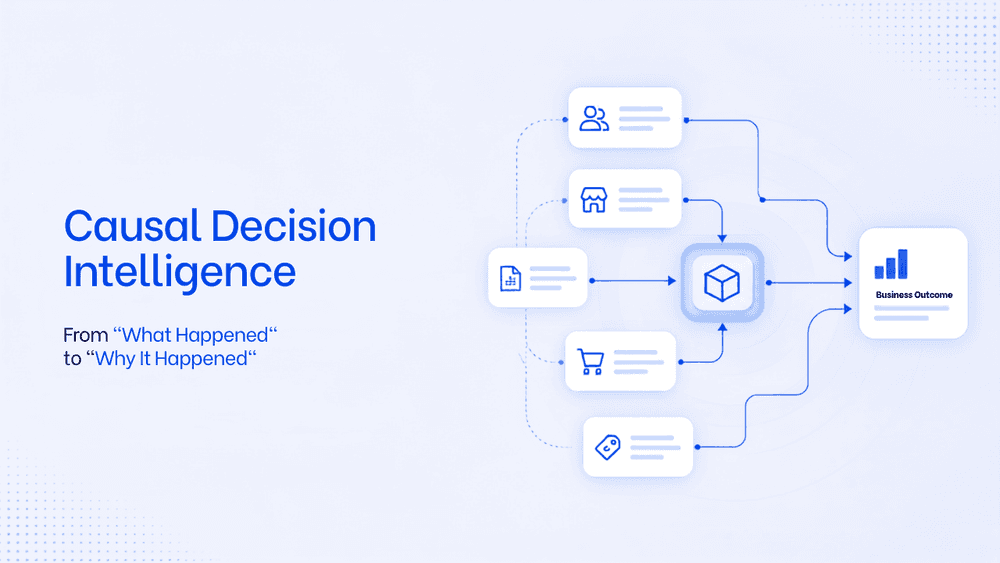
What Is Causal Decision Intelligence? A Framework To Move From "What Happened" to "Why It Happened"
Business intelligence tools are limited in their capability to find the root cause and the trigger behind it. Causal decision intelligence is the AI layer that helps business take faster, smarter decision with an auditable explanation. This will transform the way business analyse data and strategise on teh next actionable steps.
What Is a Data Silo and Why Is It Slowing Down Your Business?
Data silos are silently costing Indian businesses time, money and decisions. Here is what they are, why they form and how to break them for good with FireAI.